On neighborhood revival, rising property values, and the uncomfortable economics of urban renewal.
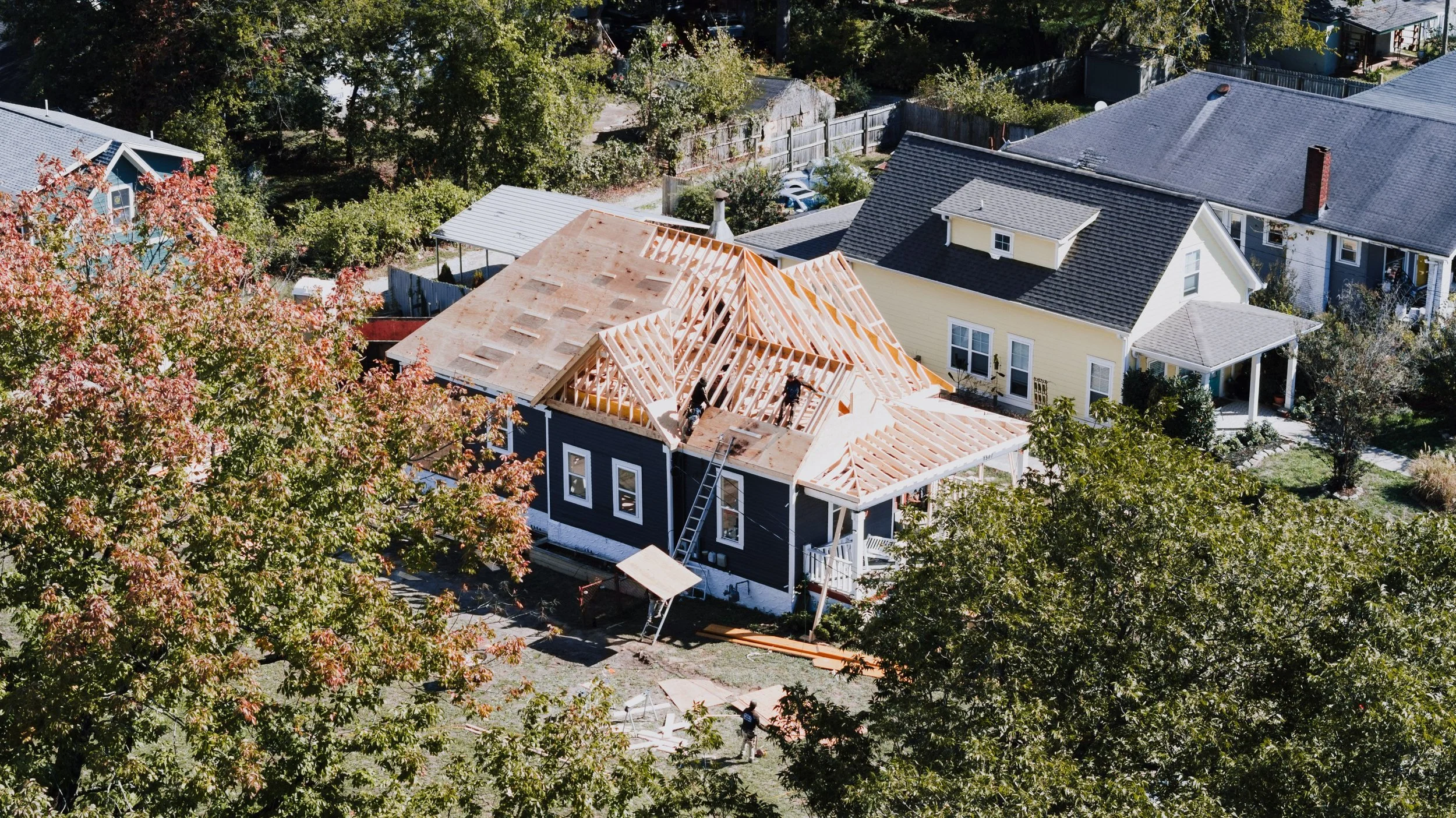
Gentrification is one of those words that can make an otherwise reasonable conversation immediately uncomfortable. Mention it in the context of Springfield, Murray Hill, or Jacksonville's Eastside, and you'll probably hear two very different reactions. One person sees restored houses, new businesses, safer streets, and investment returning to neighborhoods that have been overlooked for decades. Another sees rising rents, higher property taxes, and longtime residents being priced out of the communities they helped build. Both are describing something real, and Jacksonville is increasingly having to confront the tension between them.
The case for investment.
Let's start with something that shouldn't be controversial. Neglected neighborhoods need investment. A deteriorating house doesn't become more affordable simply because nobody repairs it. An abandoned building doesn't benefit the neighborhood by remaining abandoned. And a vacant commercial property doesn't contribute much to a community when its windows are boarded up and its roof is collapsing.
There are parts of Jacksonville where years of deferred maintenance and disinvestment have left visible marks. Homes that could be restored, commercial corridors that could support more businesses, and vacant lots that could accommodate new housing. None of those improvements are inherently harmful. In many cases, they're exactly what residents have been asking for. The difficult question is what happens after the investment arrives.
Springfield's transformation.
Springfield is one of Jacksonville's clearest examples of neighborhood reinvestment. Its historic homes, walkable street grid, and proximity to Downtown have attracted buyers and developers interested in restoring older properties. The neighborhood has also developed a growing collection of restaurants, shops, and community destinations.
Much of that transformation has been positive. Historic buildings have been preserved. Properties that might otherwise have continued deteriorating have been rehabilitated. More people have discovered a part of Jacksonville with a distinctive architectural identity.
But the economics have changed, too. As demand increases, so can property values, rents, and the cost of entering the neighborhood. A house that was once accessible to a modest-income buyer may eventually become unaffordable to someone earning the same income. For existing homeowners, rising values can build wealth. For renters and prospective first-time buyers, those same increases can create barriers. That's the contradiction.
When improvement becomes displacement.
Gentrification isn't simply another word for renovation. A homeowner repairing their roof isn't gentrification. Neither is someone restoring a vacant house or opening a neighborhood coffee shop. The concern arises when neighborhood investment and demographic change are accompanied by displacement, exclusion, or a loss of affordability for existing residents.
And displacement doesn't always happen dramatically. Sometimes it's a rent increase that a family can no longer afford. Sometimes it's an older homeowner facing higher ownership costs. Sometimes it's a young adult who grew up in a neighborhood but can't afford to buy a home there. The neighborhood may look better than it did ten years earlier, but who gets to enjoy those improvements? That's the question worth asking.
The Eastside is different.
Jacksonville's historic Eastside, often called Out East, presents a particularly important example. The neighborhood has deep roots in the city's Black history and has experienced decades of economic challenges. With major investment underway around the stadium and Downtown, attention is increasingly turning toward the surrounding community.
There's real potential for housing rehabilitation, new businesses, and improvements to public infrastructure. But the Eastside isn't an empty canvas. It's an existing community with families, churches, institutions, and a history that predates the surrounding sports complex. Any serious discussion about revitalization has to begin there. Preserving that identity while attracting investment is considerably more complicated than simply renovating a few houses.
The economics of doing nothing.
There's another side to this conversation that often gets overlooked. Disinvestment has consequences, too. When properties deteriorate, owners may struggle to maintain them. Vacant buildings can create safety concerns. Neglected infrastructure can make neighborhoods less attractive to residents and businesses.
And when private investment disappears, the burden of maintaining housing often falls on people who can least afford it. Doing nothing isn't necessarily a neutral choice. A neighborhood doesn't remain affordable simply because it remains neglected. Sometimes it just becomes a more difficult place to live. That's why the conversation can't stop at whether investment is good or bad. The more useful question is how to encourage investment while reducing the risk of displacement.
Who gets to benefit?
There are practical ways to approach that problem. Home-repair assistance can help longtime owners maintain their properties. Property-tax relief programs, where available and applicable, can help eligible homeowners manage rising costs. Affordable housing preservation can reduce the loss of lower-cost rentals.
Community land trusts and other shared-equity models can create homeownership opportunities that remain accessible over time. Local residents should also have meaningful involvement in decisions about redevelopment. None of these approaches solves every problem, but they recognize something important: neighborhood improvement and resident stability don't have to be opposing goals.
Jacksonville's next test.
Jacksonville is going to keep changing. Investment will move into some neighborhoods that haven't seen much of it in years. Older houses will be renovated, vacant lots will be developed, and new businesses will open. Some property values will rise.
The question isn't whether that change can be stopped entirely. It's whether Jacksonville can do a better job of ensuring that existing residents have a place in the neighborhoods being rebuilt around them. A restored house is a good thing. A thriving local business is a good thing. A neighborhood where people feel safe and proud to live is a good thing.
But a neighborhood isn't just its real estate. It's also the people who call it home. And if we forget that, we risk improving the buildings while losing the community.
